A basic guide to cleaning the fretboard and changing strings for Electric Guitars
Like tuning, changing your guitar strings and cleaning the fretboard is something any beginner guitarist can learn to do themselves.
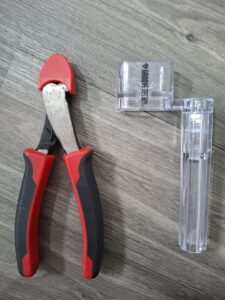
First start by removing the strings, when you take your old strings off, slack the strings off by hand or using a groovetech string winder then cut the string with some wire cutters
CLEANING
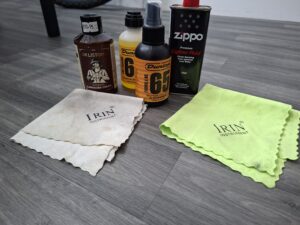
Rosewood fretboards – If the fretboards full of grime and gunk you can use some lowest abrasion 0000 wire wool to get it off followed by zippo lighter fuel know as – naptha using specialised cloths to apply it to the fretboard and rub the dirt off, this will remove the dirt that the steel wool left behind. After this you can rub some lemon oil on to put some moisture back in the fretboard. This is good once or twice a year (but no more as it can soften the wood and loosen the frets)
Unfinished maple fretboards – Again you can use the wire wool and Naptha in the same way but not the lemon oil. For putting moisture back in the fretboard i use music nomad f one oil and apply with microfiber cloths.
Finished maple fretboards – You can not use wire wool on “finished” Maple fretboards as it will scratch the surface but your safe to use the naptha zippo lighter fuel to clean the fretboard but first try with a just a damp (not wet) microfiber cloth, if you carnt clean it with that then use the naptha. You can not use lemon oil on a finished maple as the wood is sealed from the air.
DO NOT JUST APPLY PRODUCTS TO YOUR FRETBOARD WITHOUT CHECKING THEY ARE SUIBTABLE FIRST
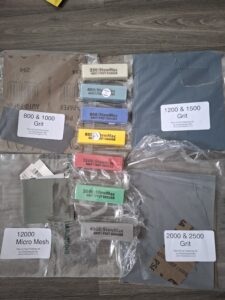
For cleaning and polishing the actual frets you can use sandpaper starting at 400 grit and working your way through the grits until you get to 12000 grit which is micromesh for polishing the frets to a nice shine. You can also use fret erasers and move through the grits in the same way.
For electric guitars the most common string gauges are 9s, 10s and 11s. For acoustic guitars the most common gauges are 11s and 12s.
9s are easiest to play and best for beginners who dont have the finger strength. Its easier to fret the notes and easier for slides, hammer ons and string bending as well as playing fast, a lot of the shredders and guitarists such as Joe Satriani, Steve Vai, Brian may and Van Halen will use 9s as it suits their fast playing styles. 10s are also good for these styles but a require a bit more finger strength and development of right and left hand technique. I always used 10s for rock/blues fast playing and wild string bending before moving on to using 11s as 11s offer a bigger beafier tone which sounds great when playing through a clean channel of a valve amp.
STRINGS – Major brands for electric guitar strings are D Adarrio, Roto sound, ernie ball and Elixr to name a few and vary in material and construction types.
STRING MATERIAL TYPES:
NICKEL PLATED STEEL – These are known as industry standards as they are the most common and used widely by many players. They are steel with nickel wrapped around them, they are known for their bright warm tone and the most versatile at the most accessible price point out there on the market.
PURE NICKEL – are also popular but 3 times more expensive than pure nickel plated steel as they are a premium material and resist corrosion and conductivity much longer than than nickel plated steel. They are best for rock and blues styles as they offer warm vintage sounds.
COATED STRINGS – Nickel plated steel and pure nickel both come in coated and uncoated options but again coated strings are more expensive as they offer greater longevitgy and there is an extra layer in the manufacturing process for coating which bumps the price up.
NYLON STRINGS – Are totally different altogether as they offer a very distinctive warm sound made for classical and Flemenco guitar, some jazz Latin players also favour nylon strings and major brands include Hannahbach, Savarez, La Bella, Augustine and D Addario. The Godin Multiac guitar would be a good example of a guitar that comes equipped with nylon strings.
STAINLESS STEEL and COBALT are also common materials used on electric guitar strings.
CONSTRUCTION TYPES include ROUNDWOUND – common and round wire is wrapped round the core. FLATWOUND – a smooth polished like flat ribbon style wire and HALFWOUNDS.
Hope you found this simplistic guide an interesting read 🙂
COOLHAND 🙂