A beginners guide to tuning your Guitar
TUNING – your Guitar is one of three things any beginner guitarist can learn to do themselves. The other 2 things are cleaning and changing your strings. Tuning is essential and you wont be getting very far on your musical journey without starting off by learning this basic skill.
STANDARD TUNING -is the most basic for tuning Guitars. From the thinnest string E (on the treble side) to the thickest string E (on the bass side) would be E – A – D – G – B – E
DROP D TUNING – Is where you drop the thickest string down to a D from an E, it lowers and deepens the bass sound. It sounds great for you heavy rock guitarists that use riffs and power chords, palm mute technique and squealing pinched harmonics.
With strings its all about tension. If a note is too flat you need to turn the tuning machine on your guitars headstock whats known as sharpening the note and creating higher tension. If a note is sharp you need to turn the tuning machine the other way and lessen the tension known as flattening the note.
HOW TO TUNE – Unless you have perfect pitch which is a rarity you will need a tuning device. The most common is a clip on tuner thats clips on to the headstock like the one in my blog display picture. These are very easy to use and very accurate, you can purchase one from amazon for £9.99. Pedal tuners and tuning apps on a smartphone are also options for ease of use but i would go for the most common and simplistic method of the clip on tuner if your practicing at home or in a reasonably quiet room.
TUNING TO ANOTHER INSTRUMENT – This is what i used to do, i used to tune to my electric Casio piano although this was a long time ago. I used to play an E on the piano, put my foot down on the plug in sustain pedal to hold the note down before i tuned to it on my guitar. Tuning to other instruments such as basses would be a good option in a band practice situation if you have lost your tuner, but not a good idea at a gig as the crowd doesnt want to hear you tuning up!!!
HOW OFTEN TO TUNE – Pretty much everytime you pick your Guitar up to practice as it easily slips out of tune due to humidity and temperature changes in the room. Old and worn strings will sounds out of tune and sometimes dont realise this until you replace them. Poor Intonation and new strings that havent been stretched and worn in properly are also a factor.
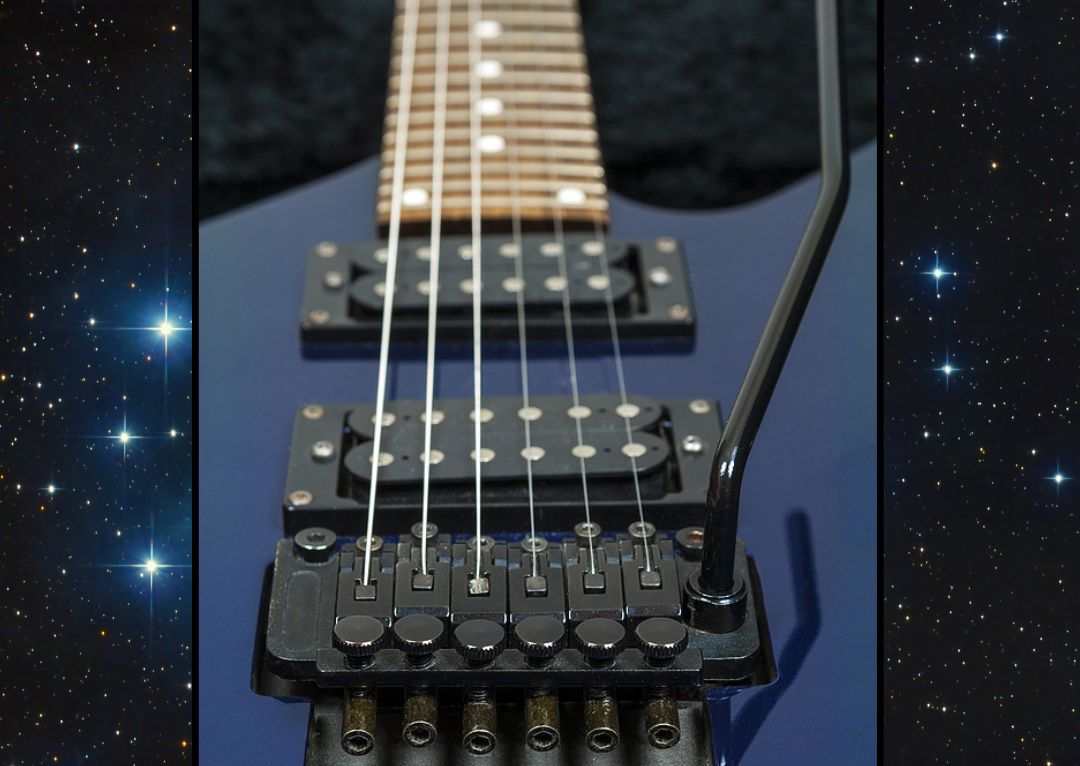
If you tune your guitar in with a tuner and its in tune but sounds out of tune when you play fretted notes further up the neck then your guitar has poor intonation but can be corrected with some adjustments. Sometimes the bridge saddles might need some adjusting especially after restringing your guitar. To do this tune your guitar with a tuner then fret the 12 fret on each string and check its tuning. If its sharp or flat then make some minor adjustments with a flat head screwdriver to correct the problem.
There are other factors that affect intonation but for now this simplistic guide to tuning will help you on your way 🙂
COOLHAND 🙂