Acoustic Or Electric Guitar? A Guide For Beginners
Maybe you just went to an amazing gig and feel inspired, maybe you’ve had some lyrics running around your head and want to write some music for them, or maybe you just want a new hobby.
Whatever reason you decide to learn to play, one of your first decisions will be whether you should buy an acoustic or an electric guitar.
If you’re picking up a six-string for the first time, you might want a little more knowledge before delving into the world of classic and cool guitars to buy.
What is an acoustic guitar?
The more traditional route is to begin with an acoustic guitar. An acoustic does not need to be plugged into an amplifier to make sound.
Acoustics have hollow wooden bodies and fret boards that produce a rich, rounded sound. Country music, folk, singer-songwriter, and classical guitar music all tend to lean toward acoustic guitars.
The strings are higher off the fret than electric guitars, and the necks tend to be broader, making them more challenging when you are trying to nail that first bar chord.
However, since there’s no need to buy a separate amp and cables, it can be a more affordable option. That said, the price range of acoustic guitars is vast, and you can spend as much or as little as you want.
The accessories you will need are a guitar case, a tuner, picks, and a capo. Acoustic guitar brands include Martin, Taylor, Gibson and Takamine.
How it works
When a string under tension is plucked or strummed, it vibrates. This vibration creates a sound wave that is picked up by the bridge and transmitted into the soundboard (the flat front of the guitar).
The hollow cavity of the body of the guitar amplifies the sound as the sound waves bounce around inside and the sound is pushed out through the sound hole.
What is an electric guitar?
Although it still has many of the same features as an acoustic guitar, an electric guitar is a different beast.
To start, it has a solid body and feels much heavier. The main difference is that electronics are used to amplify the sound, rather than relying on the natural qualities of wood.
Beginners will need to buy a guitar, cable and an amplifier, plus find a power source, before they can even think about making a sound. This means the initial outlay can be a little more expensive than an acoustic.
An electric guitar does have a few more advantages. It can be easier to master the fret as the strings are closer to the board. The strings tend to be thin nickel or steel strings rather than wrapped steel or nylon, so they are easier on the pads of your fingers.
The range of sounds an electric guitar can produce is far greater, particularly when factoring in effects pedals, tone adjustments or a vibrato effect from a tremolo arm.
This versatility makes an electric guitar a great choice for a variety of music genres, including rock, pop, metal, jazz and blues. Famous brands include Gibson, Jackson, Ibanez and, of course, Fender.
How it works
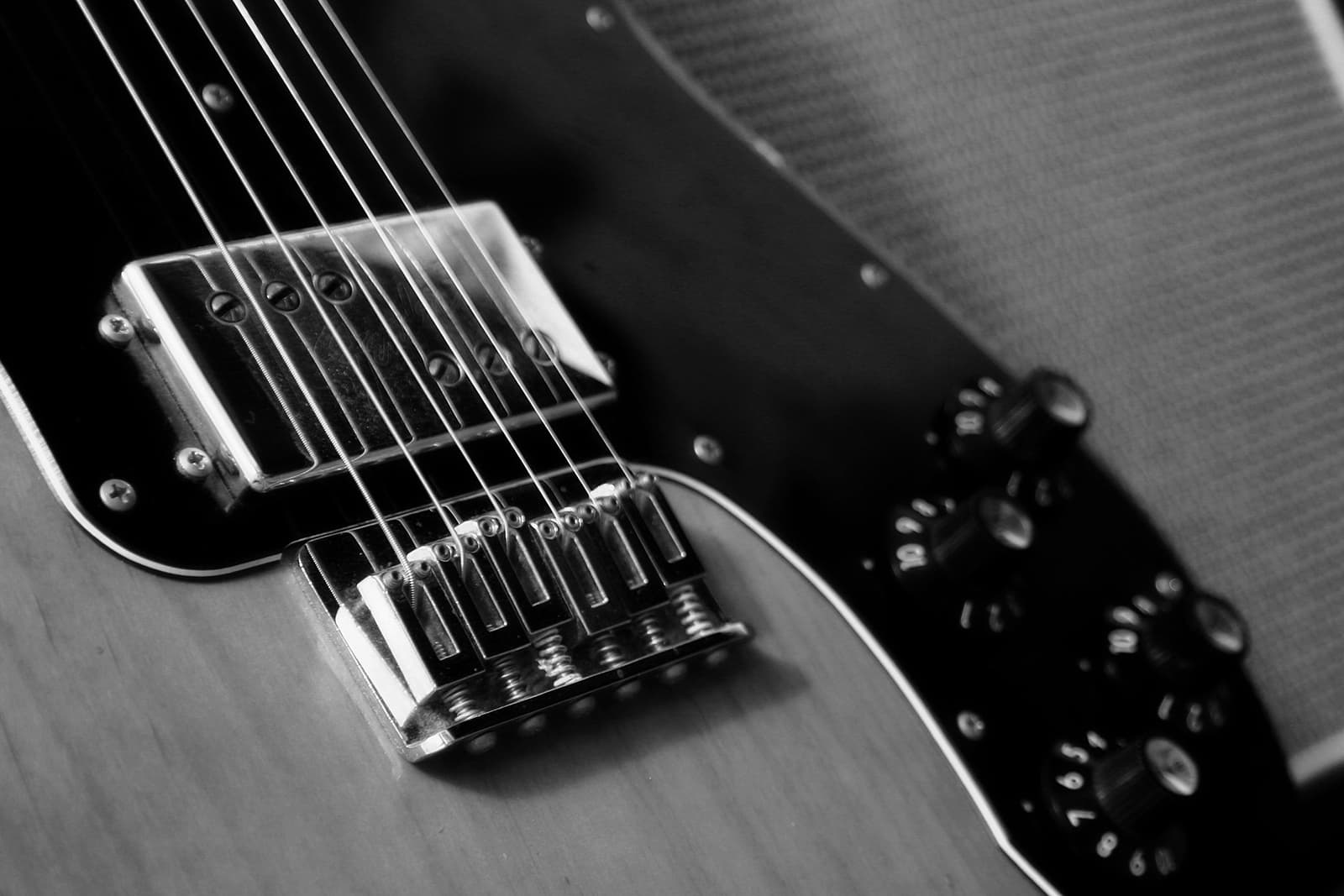
It begins the same as an acoustic guitar, by plucking or strumming a string under tension, but instead of using a hollow box as an amplifying device, it uses electronics. Magnetic pickups ‘hear’ the sound vibrations and translate them into electrical signals.
These signals are then boosted by an amplifier and pushed out as sound waves from the built-in speaker to produce a much louder sound.
What is an electro-acoustic guitar?
For those who can’t decide between the two, or who want the option of plugging in, an electro-acoustic is the answer. Visually, it looks more like an acoustic guitar with a wooden fret and soundboard, but it comes with electric pickups built in.
It is the perfect hybrid for players who want to be able to amplify an acoustic sound without needing a mic.